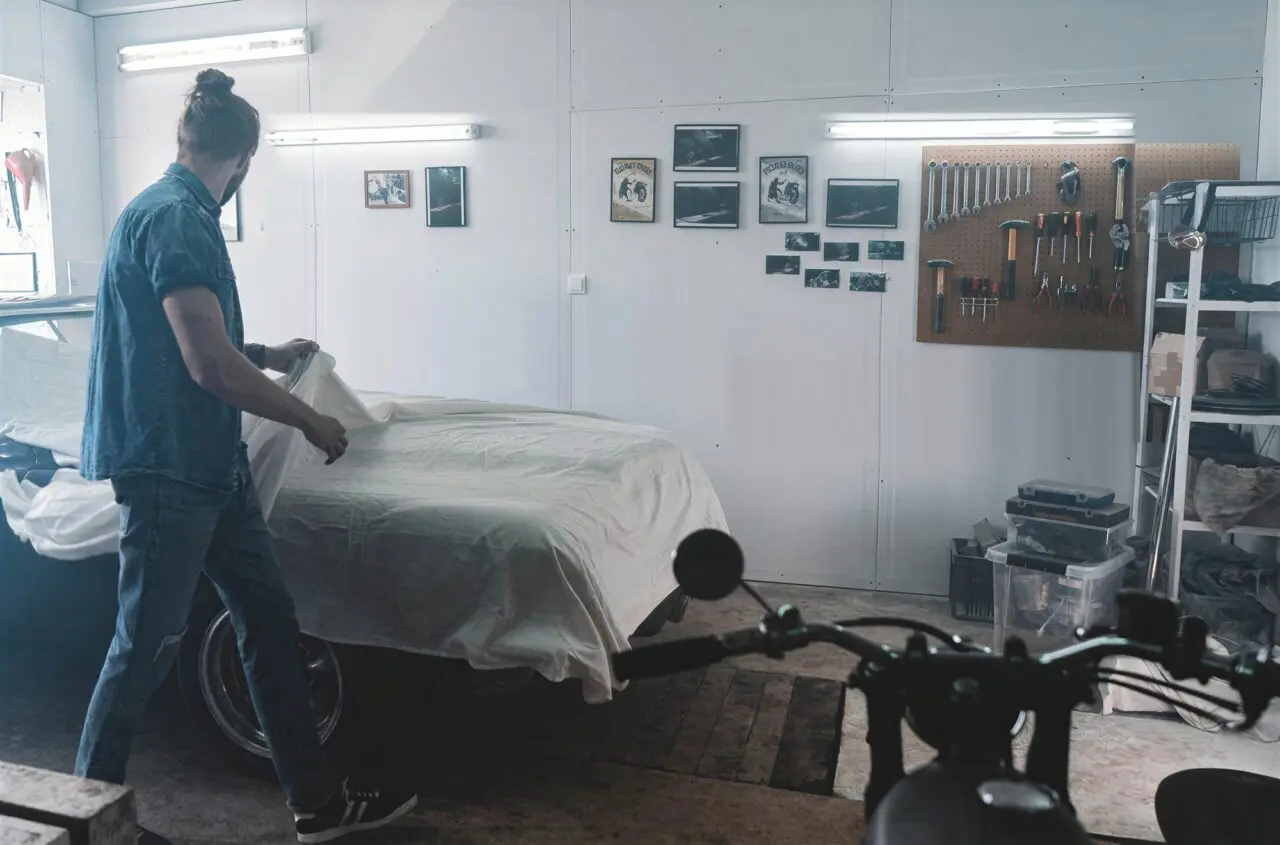
Small issues become bigger when a classic car sits idle for months. One owner experienced an issue with his 1937 Ford Coupe due to stale gasoline after his car had been stored for too long. We were able to get it running well again. It’s a good reminder that winter storage takes more than parking the car and throwing a cover over it.
Why Winter Storage Needs Planning
When a car sits idle for a long period, several things can happen. Fuel can deteriorate, batteries can lose their charge, tires can develop flat spots, and moisture or pests can cause damage.
Every classic is unique and may require specific care depending on its make and how long it will be stored. Here are a few recommendations to consider.
Before You Put Your Classic Away: A Simple Checklist
1Give the Fuel Some Attention
Just like any other liquid, fuel does not last forever; the older it becomes, the more likely it is to change and form deposits in the fuel lines, filters, or even in the carburetor. When the car is taken out of storage, these deposits can make it difficult to start the engine.
A fuel stabilizer can help slow fuel deterioration, but it cannot restore gasoline that has already gone bad. Some owners store the car with a full tank, with stabilizer run through the system, to limit condensation in the tank. The solution to this problem will depend on the car’s fuel system and type of fuel, as well as the length of storage. It is recommended to refer to the manual of your classic car or to consult a specialist in this area.
2Check the Oil and Other Fluids
If the car requires an oil change, it is recommended that you do so prior to storage. In addition, follow the maintenance suggestions from the manufacturer and make sure that there is no leaking. This can help prevent problems when the vehicle is brought out of storage.
3Look After the Battery
A parked car’s battery can slowly lose its charge. A battery maintainer can help keep it charged while the vehicle is in storage. Choose one that fits your particular battery and use it according to its instructions. Check that the battery and terminals are clean. Follow your vehicle manufacturer’s guidance before disconnecting or removing the battery.
4Check the Tires
Check tire pressure before storage, following the vehicle or tire manufacturer’s recommendations. When a car sits in one spot for months, its weight can create flat spots, areas where the tire is no longer perfectly round. For longer storage, ask a specialist whether tire cradles or another storage method would suit your vehicle. Check the pressure again before driving. For long storage, avoid setting the parking brake, since brake pads can stick. Chock the wheels instead.
5Clean the Car Before Covering It
Ensure you do not cover your car when it is still wet. Clean the inside to prevent food and wrappers from attracting insects.
Cover your car with a breathable fabric cover that suits the car.
6Keep the Storage Area Dry and Tidy
Select a dry and well-ventilated place if you can. Look for signs of leaks, dampness, or rodent activity, as pests can damage the interior, wires, and hoses.
7Make a Note of Anything That Needs Attention
Prior to putting the car away, note any strange noises, leaks, cold-start problems, or any other items you observed on your recent trips. This way, you will have an excellent starting point once your car is set to be put back into service.
One more thing to keep in mind: avoid running the car for just a minute or two as a substitute for proper storage preparation. Such a short idle time might not be sufficient for the engine and exhaust system to warm up. Consult a professional on this matter if you have doubts.
A Little Preparation Goes a Long Way
Winter storage looks different for every classic. If you’re unsure what your vehicle needs, or you’d like us to check it before it sits for the season, Treasured Motorcar Services can help. A General Review Service before storage can identify concerns worth addressing before the car is parked. It can also be useful when you’re preparing to bring the car back out in spring.
Our General Review Service includes an inspection of the vehicle’s systems, a look underneath while it’s on a lift, and a road test. We review safety and drivability, note areas that may need attention, and work with you on a service plan.
A little care before winter can help avoid surprises later and make that first spring drive something to look forward to. Contact us today at 717-227-6787.
Not sure what your classic needs?
Start with our General Review Service. We put your car on a lift, road test it and go through each system, then talk with you about the best service plan.